



 Fri Sep 20, 2024 4:21 am
AI's role in identifying improvement areas for teachers?
Howdy Folks! 
Integrating Artificial Intelligence (AI) into education has opened up transformative possibilities for teaching and learning. A key advancement is using AI to analyze classroom performance data, allowing educators to pinpoint areas for professional growth and enhance their teaching strategies. By harnessing AI's data processing and analytical capabilities, teachers can obtain actionable insights that were once out of reach, ultimately improving instructional quality and student outcomes.
Understanding Classroom Performance Data
Classroom performance data refers to a wide range of metrics that reflect the teaching and learning dynamics within the classroom. These can include:
- Student engagement levels (e.g., attention span, participation in discussions)
- Assessment results (e.g., scores on quizzes, assignments, and exams)
- Behavioral data (e.g., attendance, behavior logs)
- Learning progress (e.g., improvement or stagnation in specific subjects)
- Teacher-student interactions (e.g., communication frequency, feedback given)
- Pacing of lessons (e.g., time spent on different topics or activities)
Collecting this data in the past required manual tracking, which was time-consuming and often inconsistent. However, AI tools can now automatically gather and analyze vast amounts of data from digital learning platforms, classroom management systems, and even lesson video recordings. This wealth of data allows AI systems to generate insights into teacher performance, offering real-time feedback and continuous professional development opportunities.
How AI Identifies Areas for Teacher Improvement
AI systems excel at recognizing patterns and trends within large data sets. When applied to classroom performance data, AI can detect subtle patterns that may be difficult for humans to perceive. Here are several key ways AI can support teachers in identifying areas for improvement:
Pinpointing Gaps in Instructional Effectiveness
AI can analyze student performance data in relation to specific lessons or teaching methods. For instance, if students consistently perform poorly in a particular subject or struggle to grasp certain concepts, AI can flag this as an area where the teacher might need to adjust their approach. It may recommend alternative teaching strategies or additional resources to improve understanding.
Feedback on Student Engagement
AI-driven tools, such as video analytics, can assess student engagement by monitoring facial expressions, participation rates, and behavioral cues during lessons. This allows teachers to identify moments when student attention wanes, signaling a need for more dynamic teaching methods or adjustments in pacing.
Customized Professional Development Plans
Based on performance data, AI can create personalized professional development (PD) plans for teachers. Instead of the traditional one-size-fits-all PD approach, AI can identify specific areas where a teacher could benefit from additional training, such as classroom management, lesson planning, or using technology in instruction.
Real-Time Feedback During Lessons
Some advanced AI tools can provide teachers with real-time feedback during their lessons. For example, AI might analyze live data on student responses to gauge whether the class struggles with the material. This immediate feedback allows teachers to adjust their lesson on the fly, reteaching concepts or altering their delivery to better meet student needs.
Identifying Biases or Unintended Patterns
AI can help teachers identify unintentional biases in their teaching. For instance, it may reveal patterns where certain groups of students (e.g., by gender, race, or learning ability) receive less attention or perform worse than their peers. AI-driven insights allow teachers to recognize these trends and take corrective actions to ensure equitable instruction for all students.
Improving Classroom Management Skills
AI tools can track classroom behavior and highlight areas where a teacher might struggle with classroom management. For example, if certain students are consistently off-task or disruptive, AI could suggest behavior management techniques or strategies to re-engage these students.
Advantages of AI-Driven Feedback for Teachers
The use of AI in identifying areas for teacher improvement offers several advantages over traditional methods:
Objective and Data-Driven Insights
AI provides objective, data-driven analysis of teaching practices, removing much of the subjectivity that can arise in traditional classroom observations. This allows for a more accurate assessment of teaching performance and eliminates potential biases from human evaluators.
Continuous Professional Growth
AI enables ongoing feedback, allowing teachers to refine their skills rather than continuously relying on infrequent evaluations. This real-time or near-real-time feedback loop encourages a culture of continuous improvement in the classroom.
Time-Saving for Administrators
AI reduces the burden on school administrators who typically oversee teacher evaluations. By automating data collection and analysis, AI tools can provide detailed reports on teacher performance without requiring extensive time from administrators.
Personalized Learning for Teachers
Just as AI can personalize student learning, it can do the same for teachers. Personalized feedback helps teachers focus on the specific areas where they need improvement, leading to more targeted and effective professional development.
Challenges and Ethical Considerations
While AI presents exciting opportunities for improving teaching quality, its implementation also raises several challenges and ethical concerns:
Data Privacy
Classroom performance data includes sensitive information about both students and teachers. Ensuring that AI systems adhere to strict privacy standards is crucial to protect personal data from misuse or breaches.
Teacher Autonomy
There is a concern that over-reliance on AI feedback could undermine teacher autonomy. Teachers must still be empowered to make independent decisions based on their professional judgment rather than being driven solely by algorithmic suggestions.
Bias in AI Algorithms
AI systems are only as good as the data they are trained on. If the data used to train AI algorithms contains biases, these biases could be perpetuated in the feedback given to teachers. Ongoing monitoring and refinement of AI systems are essential to avoid reinforcing educational inequities.
The Human Element
Teaching is a deeply human endeavor that involves emotional intelligence, empathy, and relationship-building. While AI can provide data-driven insights, it cannot replace the nuanced understanding that teachers develop through direct interaction with their students. AI should be seen as a supportive tool rather than a replacement for human judgment.
Conclusion
The use of AI to identify areas for improvement for teachers is a powerful step forward in enhancing educational practices. By analyzing classroom performance data, AI provides teachers with valuable insights that can lead to more effective instruction, greater student engagement, and a deeper understanding of their own teaching practices. However, careful consideration must be given to privacy, ethics, and the balance between AI-driven feedback and human intuition.
As AI technology continues to evolve, its potential to support teachers' professional growth will expand, fostering an education system where students and educators can thrive.
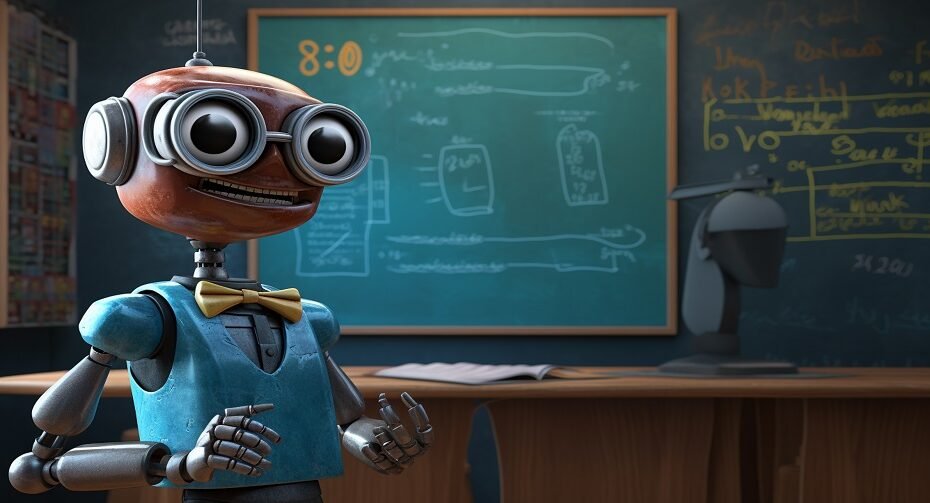
Integrating Artificial Intelligence (AI) into education has opened up transformative possibilities for teaching and learning. A key advancement is using AI to analyze classroom performance data, allowing educators to pinpoint areas for professional growth and enhance their teaching strategies. By harnessing AI's data processing and analytical capabilities, teachers can obtain actionable insights that were once out of reach, ultimately improving instructional quality and student outcomes.
Understanding Classroom Performance Data
Classroom performance data refers to a wide range of metrics that reflect the teaching and learning dynamics within the classroom. These can include:
- Student engagement levels (e.g., attention span, participation in discussions)
- Assessment results (e.g., scores on quizzes, assignments, and exams)
- Behavioral data (e.g., attendance, behavior logs)
- Learning progress (e.g., improvement or stagnation in specific subjects)
- Teacher-student interactions (e.g., communication frequency, feedback given)
- Pacing of lessons (e.g., time spent on different topics or activities)
Collecting this data in the past required manual tracking, which was time-consuming and often inconsistent. However, AI tools can now automatically gather and analyze vast amounts of data from digital learning platforms, classroom management systems, and even lesson video recordings. This wealth of data allows AI systems to generate insights into teacher performance, offering real-time feedback and continuous professional development opportunities.
How AI Identifies Areas for Teacher Improvement
AI systems excel at recognizing patterns and trends within large data sets. When applied to classroom performance data, AI can detect subtle patterns that may be difficult for humans to perceive. Here are several key ways AI can support teachers in identifying areas for improvement:
Pinpointing Gaps in Instructional Effectiveness
AI can analyze student performance data in relation to specific lessons or teaching methods. For instance, if students consistently perform poorly in a particular subject or struggle to grasp certain concepts, AI can flag this as an area where the teacher might need to adjust their approach. It may recommend alternative teaching strategies or additional resources to improve understanding.
Feedback on Student Engagement
AI-driven tools, such as video analytics, can assess student engagement by monitoring facial expressions, participation rates, and behavioral cues during lessons. This allows teachers to identify moments when student attention wanes, signaling a need for more dynamic teaching methods or adjustments in pacing.
Customized Professional Development Plans
Based on performance data, AI can create personalized professional development (PD) plans for teachers. Instead of the traditional one-size-fits-all PD approach, AI can identify specific areas where a teacher could benefit from additional training, such as classroom management, lesson planning, or using technology in instruction.
Real-Time Feedback During Lessons
Some advanced AI tools can provide teachers with real-time feedback during their lessons. For example, AI might analyze live data on student responses to gauge whether the class struggles with the material. This immediate feedback allows teachers to adjust their lesson on the fly, reteaching concepts or altering their delivery to better meet student needs.
Identifying Biases or Unintended Patterns
AI can help teachers identify unintentional biases in their teaching. For instance, it may reveal patterns where certain groups of students (e.g., by gender, race, or learning ability) receive less attention or perform worse than their peers. AI-driven insights allow teachers to recognize these trends and take corrective actions to ensure equitable instruction for all students.
Improving Classroom Management Skills
AI tools can track classroom behavior and highlight areas where a teacher might struggle with classroom management. For example, if certain students are consistently off-task or disruptive, AI could suggest behavior management techniques or strategies to re-engage these students.
Advantages of AI-Driven Feedback for Teachers
The use of AI in identifying areas for teacher improvement offers several advantages over traditional methods:
Objective and Data-Driven Insights
AI provides objective, data-driven analysis of teaching practices, removing much of the subjectivity that can arise in traditional classroom observations. This allows for a more accurate assessment of teaching performance and eliminates potential biases from human evaluators.
Continuous Professional Growth
AI enables ongoing feedback, allowing teachers to refine their skills rather than continuously relying on infrequent evaluations. This real-time or near-real-time feedback loop encourages a culture of continuous improvement in the classroom.
Time-Saving for Administrators
AI reduces the burden on school administrators who typically oversee teacher evaluations. By automating data collection and analysis, AI tools can provide detailed reports on teacher performance without requiring extensive time from administrators.
Personalized Learning for Teachers
Just as AI can personalize student learning, it can do the same for teachers. Personalized feedback helps teachers focus on the specific areas where they need improvement, leading to more targeted and effective professional development.
Challenges and Ethical Considerations
While AI presents exciting opportunities for improving teaching quality, its implementation also raises several challenges and ethical concerns:
Data Privacy
Classroom performance data includes sensitive information about both students and teachers. Ensuring that AI systems adhere to strict privacy standards is crucial to protect personal data from misuse or breaches.
Teacher Autonomy
There is a concern that over-reliance on AI feedback could undermine teacher autonomy. Teachers must still be empowered to make independent decisions based on their professional judgment rather than being driven solely by algorithmic suggestions.
Bias in AI Algorithms
AI systems are only as good as the data they are trained on. If the data used to train AI algorithms contains biases, these biases could be perpetuated in the feedback given to teachers. Ongoing monitoring and refinement of AI systems are essential to avoid reinforcing educational inequities.
The Human Element
Teaching is a deeply human endeavor that involves emotional intelligence, empathy, and relationship-building. While AI can provide data-driven insights, it cannot replace the nuanced understanding that teachers develop through direct interaction with their students. AI should be seen as a supportive tool rather than a replacement for human judgment.
Conclusion
The use of AI to identify areas for improvement for teachers is a powerful step forward in enhancing educational practices. By analyzing classroom performance data, AI provides teachers with valuable insights that can lead to more effective instruction, greater student engagement, and a deeper understanding of their own teaching practices. However, careful consideration must be given to privacy, ethics, and the balance between AI-driven feedback and human intuition.
As AI technology continues to evolve, its potential to support teachers' professional growth will expand, fostering an education system where students and educators can thrive.